
the Cost and How to Shop Smart
Curious about the average used SUV price and how to spot a smart deal. This guide explains what most shoppers pay for popular SUV sizes, how age and mileage shift value, and which features add or subtract thousands from the sticker. You will also see how pricing varies by trim, condition, and local demand so you can compare apples to apples and plan a realistic budget. Explore price ranges for compact crossovers, midsize and three row models, full size SUVs, plus luxury, hybrid, and electric options. When you are ready to browse, use filters in used-inventory to narrow by price, mileage, and features, and check model research like best-used-suvs for top rated picks. With the steps below, you can estimate a fair price, avoid overpaying, and move forward with confidence.
Prices differ by size class and purpose. Compact crossovers tend to cost less to buy and fuel, while midsize and three row SUVs trade higher purchase prices for added space and towing. Compare segment guides like best-used-midsize-suvs, best-used-full-size-suvs, best-used-3-row-suvs, and reliability picks in most-reliable-used-suvs. Then review live listings in used-inventory to see real world pricing near you.
What Is the Average Used SUV Price Right Now
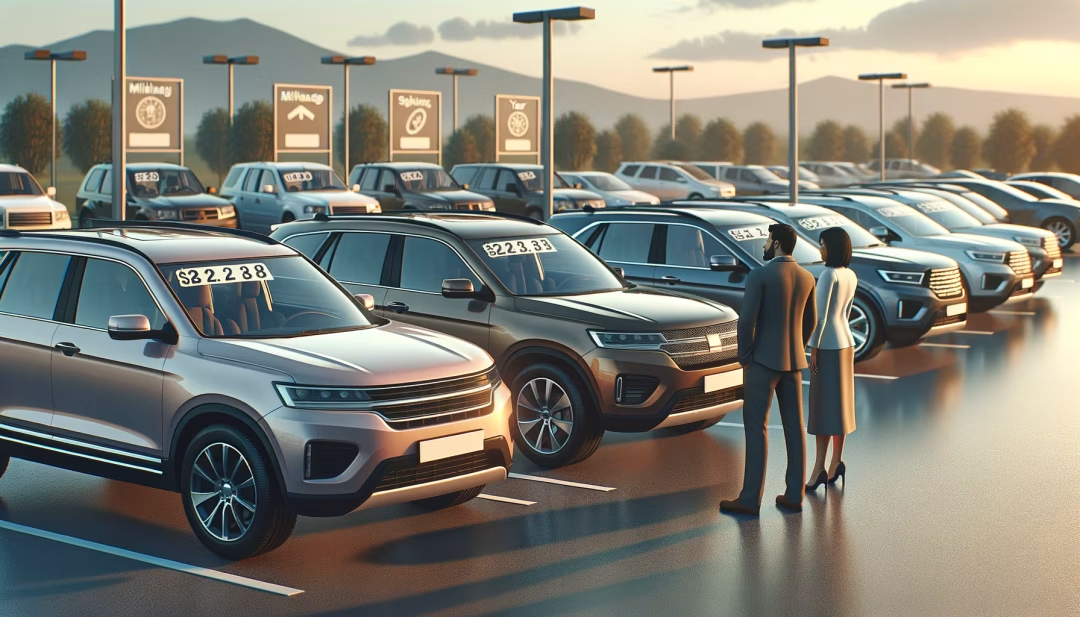
Across mainstream brands, most shoppers see used SUV asking prices cluster roughly between the high teens and mid thirties depending on vehicle size, age, mileage, trim, and location. Compact crossovers often fall on the lower half of that range, while larger or premium SUVs rise higher. Prices also move with seasonal demand, interest rates, and supply. Use the estimates below as a directional starting point, then validate with live listings in used-inventory and market updates on used-car-price-trends and used-car-market-trends.
Typical Price Ranges by SUV Type
These broad ranges reflect retail asking prices for clean titles with average mileage and condition. Well kept one owner vehicles with service records skew higher, while high mileage or rough condition listings skew lower.
- Subcompact and compact crossovers examples include HR V, CX 5, RAV4, CR V: about 16,000 to 28,000 for 4 to 7 year old models with typical mileage.
- Midsize two row SUVs examples include Edge, Santa Fe, Passport: about 19,000 to 32,000 depending on year, trim, and options.
- Three row midsize SUVs examples include Highlander, Pilot, Telluride, Explorer: about 22,000 to 38,000 for recent mainstream trims with average miles.
- Full size body on frame SUVs examples include Tahoe, Expedition: often 28,000 to 48,000 for well kept models from recent years, with big swings based on miles and packages.
- Luxury SUVs examples include RX, X3, GLE: typically 26,000 to 55,000 based on age, brand, tech, and maintenance history. See comparisons at best-used-luxury-suvs.
- Hybrid SUVs examples include RAV4 Hybrid, Highlander Hybrid: often 2,000 to 5,000 more than similar gas trims, reflecting fuel savings demand. Explore options at best-used-hybrid-cars.
- Electric SUVs examples include Kona Electric, Model Y used values vary widely by battery health and incentives. See best-used-electric-vehicles.
How Age and Mileage Shift Used SUV Prices
Price curves are steepest in the first three years, then flatten. Mileage can move value by thousands. As a rule of thumb, around 12,000 to 15,000 miles per year is considered average. Significant deviations impact price.
- 2 to 3 years old, 25,000 to 45,000 miles: compact crossovers often 22,000 to 30,000, midsize 26,000 to 35,000, three row 30,000 to 38,000.
- 4 to 6 years old, 50,000 to 90,000 miles: compact 16,000 to 24,000, midsize 20,000 to 28,000, three row 24,000 to 34,000.
- 7 to 10 years old, 90,000 to 140,000 miles: compact 10,000 to 18,000, midsize 12,000 to 22,000, three row 15,000 to 25,000 depending on condition and records.
Luxury and full size price bands are higher for the same years and miles, while high efficiency models can carry a premium in areas with higher fuel prices. To compare apples to apples, filter by year and mileage in used-inventory and review selling data on how-dealers-price-used-cars.
Features and Conditions That Add or Subtract Value
Two SUVs with the same year and miles can be separated by thousands based on equipment and history. Prioritize the features that matter to your use case, then weigh the price difference.
- Trim level and packages: advanced driver aids, premium audio, panoramic roof, towing package, and AWD add value. See comfort tech picks at best-used-cars-with-adaptive-cruise-control and safety lists at used-cars-with-best-safety-ratings.
- Vehicle history: accident reports, maintenance intervals, and recall completion impact price. Review how-to-check-used-car-history, used-car-vin-check-guide, and used-vehicles-with-lowest-recall-rates.
- Tires and brakes: a fresh set can be worth 800 to 1,200 or more. Worn consumables justify a lower price or a service credit. See schedule-service.
- Market demand: high demand models like RAV4, CR V, Telluride, and 4Runner often command stronger prices. Explore popularity at most-popular-used-suvs.
Model Spotlights and Typical Values
Each model has its own pricing pattern based on reliability and demand. As examples, consider these commonly cross shopped SUVs and see our model year guides for deeper research.
- Toyota RAV4: strong resale and hybrid demand. See best-used-toyota-rav4-years and most-reliable-used-toyota-models.
- Honda CR V: efficient, family friendly, wide availability. Read best-used-honda-crv-years and most-reliable-used-honda-models.
- Ford Explorer: three row utility with multiple powertrains. Compare trims and values at most-reliable-used-ford-models.
- Chevrolet Equinox and Tahoe: wide trim spread, big variance by options. See most-reliable-used-chevrolet-models.
- Subaru Forester: standard AWD value in snow states. Explore winter picks at best-used-vehicles-for-winter-driving and safest-used-suvs.
How to Estimate a Fair Used SUV Price
A clear method helps you zero in on a fair number and reduces surprises at paperwork time. Use these steps with the listings you are comparing.
- Scope the market: pull at least 5 to 10 comparable listings with the same year, trim, drivetrain, and within 10,000 miles of your target. Search used-inventory and check used-car-price-trends.
- Normalize mileage: adjust value roughly 0.08 to 0.15 per mile against average. Higher for luxury and full size, lower for mainstream compacts.
- Verify history and condition: clean title, no major accidents, consistent service records, and healthy brakes and tires justify stronger pricing. Use the used-car-inspection-checklist.
- Compare total out the door costs: taxes, registration, and dealer fees matter more than list price alone. See budgeting help on used-car-ownership-cost-analysis.
Total Cost of Ownership Beyond the Sticker
The lowest purchase price is not always the least expensive to own. Consider fuel, insurance, maintenance, and depreciation over several years of use. Balancing these can save more than a small discount upfront.
- Fuel: hybrids and efficient compacts lower fuel spend. Compare options at used-cars-with-high-mpg.
- Maintenance and repairs: some brands are cheaper to service. Research at used-cars-with-lowest-maintenance-costs and used-cars-with-lowest-repair-costs.
- Insurance: safety ratings and theft rates affect premiums. See used-cars-with-best-safety-ratings and used-cars-with-lowest-insurance-rates.
- Resale value: models with strong demand cost more now but return more later. Explore used-cars-with-best-resale-value and used-cars-with-lowest-depreciation.
Financing and Approvals
Monthly affordability depends on price, down payment, interest rate, and term. Review rate trends and pre approval steps before visiting the showroom so you can compare vehicles on total monthly cost.
- Learn how rates affect payments at used-car-loan-interest-rates and start an application via applications.
- Explore payment-options and what score helps at what-credit-score-is-needed-to-finance-a-used-car.
Trade In Value and How It Impacts Your Deal
Your trade can offset taxes and reduce the financed amount. Get a realistic number before you negotiate your next SUV so you understand the full picture.
- Start with value-my-trade and check tips in used-car-trade-in-guide.
- If you plan to tow or carry heavy loads, see best-used-vehicles-for-towing and compare resale data at used-cars-with-highest-resale-value.
Negotiation Tips Focused on Value
Aim for a fair out the door price based on market comps and the vehicle you are actually buying, not a generic average. Keep your conversation data driven and polite.
- Bring three close comparable listings and your inspection notes to support your offer. See how-to-negotiate-a-used-car-price and used-car-buying-checklist.
- Separate trade in, financing, and price discussions to stay organized. For approvals, review how-to-get-approved-for-a-used-car-loan.
Timing and Location Effects
Supply and demand vary by region and season. For example, AWD demand is stronger before winter in northern states, while larger SUV demand can rise in warmer months for road trips and towing. Monitoring timing can save money without changing your target model.
- Track updates at when-is-the-best-time-to-buy-a-used-car and why-used-car-prices-are-rising.
- Compare regions with average-used-car-prices-by-state and used-car-prices-by-city. If you can travel, a different metro may offer better choices.
Safety, Reliability, and Warranty Considerations
A fair price should not come at the expense of dependability. Prioritize models with solid safety and reliability records and consider warranty coverage that fits your risk tolerance and budget.
- Research picks at most-reliable-used-suvs, safest-used-suvs, and used-cars-with-best-crash-test-ratings.
- Compare coverage options at used-car-warranty-guide, extended-warranty-for-used-cars, and certified-pre-owned-vs-used.
Quick Checklist Before You Make an Offer
- Confirm service records and recall status, and run a VIN history. See how-to-check-used-car-history.
- Inspect tires, brakes, battery, and suspension. Use used-car-inspection-checklist.
- Test all driver aids, cameras, and infotainment. Find feature guides at best-used-cars-with-apple-carplay and best-used-cars-with-android-auto.
- Confirm towing or roof load needs. Review best-used-vehicles-for-towing and best-used-suvs-for-camping.
Related Resources
- Browse live listings in used-inventory and see past units in sold-inventory.
- Apply online at applications and review payment-options.
- Explore research and tips on blog, how-to-buy-a-used-car, and how-to-finance-a-used-car.
- Schedule a visit through schedule-a-test-drive and find us at locations.
Average Used SUV Price FAQs
Office Hours
Monday
Tuesday
Wednesday
Thursday
Friday
Saturday
9:00 am - 5:00 pm
9:00 am - 5:00 pm
9:00 am - 5:00 pm
9:00 am - 5:00 pm
9:00 am - 5:00 pm
Closed
