
Top Picks, Tips, and Smart Shopping Guide
Looking for the best used cars with a backup camera already on board. This guide explains which models and years most commonly include rearview cameras, what features to look for, how to inspect a camera system before you buy, and how a camera can make everyday driving safer and easier. Since rearview cameras became standard on most new vehicles starting in 2018, many 2018 and newer used cars will include them, while earlier models may offer them as an option. We also cover trims and packages that commonly bundled camera tech, plus reliability pointers to help you choose with confidence. When you are ready, explore our current selection and compare features side by side. You can also brush up on financing basics, trade in values, and the best models for safety, comfort, and fuel economy so you get a great deal and a great fit.
Backup cameras add confidence when parking, improve visibility in tight spaces, and help reduce blind spots. In this page you will find recommended models by body style and budget, tips to verify camera operation on a test drive, signs a system may need service, and upgrade paths if a vehicle you love is missing a camera. Use the research links to compare trims and tech features across popular segments.
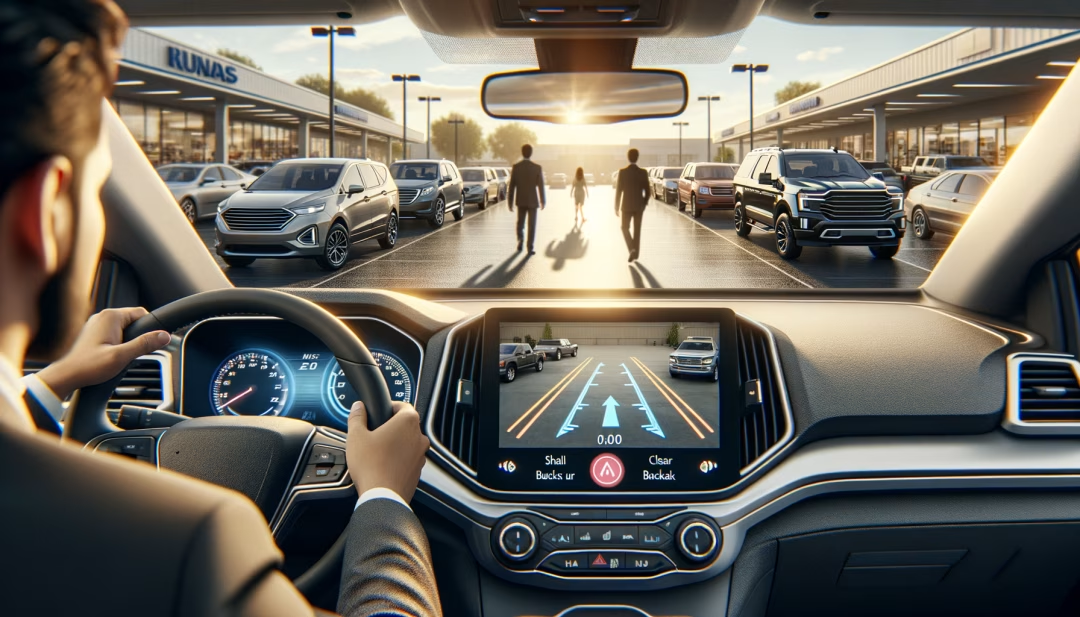
Backup cameras have transformed parking and low speed maneuvering from guesswork to near precision. On a used car, this single feature often delivers a big boost in confidence, safety, and convenience for a relatively small cost. Whether you are navigating tight garages, crowded school pickup lines, or parallel parking on busy streets, a clear rear view with distance guidelines makes daily driving less stressful.
Below you will find our recommendations for the best used cars with backup cameras, grouped by body style and price focus, plus guidance on model years, trims, and inspection steps to ensure you get a camera system that works as intended. We also include helpful links to compare inventory, schedule service, explore payment paths, and read in depth buying tips.
Why choose a used car with a backup camera
- Safer backing and parking with improved visibility of low obstacles and pedestrians
- Easier trailer alignment and garage parking with on screen guide lines
- Added resale appeal thanks to a popular, high value convenience feature
Model years and trims that most often include cameras
Rearview cameras became federally required on new light vehicles sold in the United States beginning with the 2018 model year. That means most 2018 and newer used vehicles will include a backup camera as standard equipment across trims. Many automakers began adding cameras as standard or commonly optioned features several years earlier, especially on mid to upper trims. If you are shopping 2014 to 2017 models, you will often find cameras on popular trims with technology or convenience packages. On 2013 and earlier vehicles, cameras are more likely on higher end trims or as part of navigation or premium audio packages. Always verify the actual vehicle has the camera installed by checking the rear hatch or trunk lid for the lens and confirming the display works on startup in reverse.
Best used cars with backup camera by category
These are strong starting points when you want reliable camera tech and overall value. Availability and features vary by year and trim, so confirm equipment on each vehicle in Used Inventory and review additional model research at Research Page Template.
Compact cars and sedans
- Toyota Corolla 2017 to present: Widespread standard camera by 2017, excellent reliability, strong value
- Honda Civic 2016 to present: Multi angle rearview camera on most trims, crisp display, great owner satisfaction
- Hyundai Elantra 2017 to present: Good tech per dollar, camera standard on many trims, affordable maintenance
- Toyota Camry 2015 to present: Clear camera image, strong safety, excellent longevity
Midsize and full size SUVs
- Honda CR V 2015 to present: Standard or common camera with dynamic guidelines, roomy and efficient
- Toyota RAV4 2015 to present: Camera widely available, durable, great for families and commuters
- Subaru Forester 2016 to present: Camera on most trims, all wheel drive, strong winter manners
- Ford Explorer 2016 to present: Camera and often rear parking sensors, tow friendly and versatile
Trucks and work ready options
- Ford F 150 2016 to present: Backup camera common, many include trailer assist and hitch view
- Chevrolet Silverado 1500 2016 to present: Clear camera display, available surround view on newer trims
- Ram 1500 2016 to present: Camera on many trims, useful cargo bed and hitch alignment views on newer models
Minivans and family favorites
- Honda Odyssey 2015 to present: Multi angle camera and excellent interior flexibility
- Toyota Sienna 2015 to present: Camera on many trims, available all wheel drive on select years
- Chrysler Pacifica 2017 to present: Camera standard, many include active guidelines and parking sensors
Hybrid and electric picks
- Toyota Prius 2015 to present: Camera on most trims, exceptional fuel economy and low running costs
- Chevrolet Bolt EV 2017 to present: Camera standard, tight turning radius, great city commuter
- Hyundai Ioniq Hybrid 2017 to present: Strong efficiency, modern infotainment with clear camera feeds
How to verify a backup camera on a test drive
Before you fall in love with a used vehicle, make sure its camera system is clear, responsive, and properly aligned. The checks below take only a few minutes and can prevent surprises later.
- Shift into reverse and confirm the display appears quickly with a steady, flicker free image
- Inspect the camera lens for cracks, moisture, scratches, or misalignment near the trunk or liftgate
- Check image clarity at dusk or in shade, not just in bright daylight, to ensure low light performance
- Verify guide lines appear and move with the steering wheel if the vehicle advertises dynamic guidelines
- Confirm any parking sensors or cross traffic alerts chime and display correctly if equipped
Common issues and simple fixes
Most backup camera problems are minor. A foggy or grainy image often comes from a dirty or scratched lens. A dark screen can be caused by a blown reverse light fuse that also feeds the camera, a loose connector at the hatch, or an aging display head unit. On many vehicles, replacement cameras range from 75 to 300 for the part and 1 to 2 hours of labor for installation. Head unit repairs vary widely. If you spot intermittent image loss when closing the trunk or lifting the tailgate, a harness in the hinge area may be strained and need repair. Addressing these items early helps preserve system reliability and safety.
What to look for beyond the camera
A camera is a strong start, but the best ownership experience pairs it with other practical tech. Many shoppers also value blind spot monitoring, rear cross traffic alert, parking sensors, and smartphone integration for maps and calls. If you want those features, explore our focused shopping guides like Best Used Cars with Apple CarPlay, Best Used Cars with Android Auto, Best Used Cars with Blind Spot Monitoring, and segment pages such as Best Used SUVs, Best Used Sedans, and Best Used Trucks.
Budget friendly routes to a backup camera
If the right car does not include a camera, you can often add one affordably. Many factory style retrofit kits integrate into the existing screen on vehicles with compatible head units. Aftermarket solutions with a replacement mirror display or a compact dash screen are widely available and work well when installed properly. Typical installed costs range from 250 to 700 depending on vehicle complexity and display integration. If you are focused on price points, browse budget lists like Best Used Cars Under 10000, Best Used Cars Under 15000, and Best Used Cars Under 20000, then verify camera presence on each listing.
Ownership value, safety, and insurance
While not a guarantee, backup cameras have been associated with fewer low speed backing incidents and reduced minor collision costs. Some insurers may consider advanced safety tech when estimating premiums, although the impact can be modest. The bigger benefit is convenience and confidence every time you park. For more safety focused picks, visit Used Cars with Best Safety Ratings, Safest Used Cars, and Safest Used SUVs.
Research, financing, and next steps
Compare real time availability in Used Inventory, then dig into ownership costs and loan planning with Payment Options, Applications, How to Finance a Used Car, and Used Car Loan Interest Rates. If you have a vehicle to trade, get an estimate at Value My Trade. When you are narrowing choices, use Schedule a Test Drive to experience the camera clarity in person and visit Schedule Service for any pre purchase inspection needs.
Helpful links
Frequently asked questions about used cars with backup cameras
Explore related picks and resources
If you are building a short list of must have features and want balanced ownership costs, try these pages next: Best Used Cars with Good Gas Mileage, Best Used Cars with Low Maintenance Costs, Used Cars with Best Resale Value, and segment guides like Best Used AWD Vehicles for winter confidence. You can also review recently Sold Inventory to understand market traction and popular trims.
About our team and customer experience
Our team prioritizes transparency and helpful education for every shopper. Learn more at About Us, meet the professionals who support your purchase and ownership at Meet Our Staff, and share feedback through our Customer Survey. For policies and terms, visit Privacy Policy, Terms, and Visitor Agreement. We update market insights often on the Blog and welcome questions any time at Contact Us.
Office Hours
Monday
Tuesday
Wednesday
Thursday
Friday
Saturday
9:00 am - 5:00 pm
9:00 am - 5:00 pm
9:00 am - 5:00 pm
9:00 am - 5:00 pm
9:00 am - 5:00 pm
Closed
