
Picks, Buying Guide, and Ownership Tips
Looking for the best used off-road SUVs that balance rugged hardware, real trail capability, and everyday comfort? This guide highlights proven models, features to prioritize, and smart shopping steps so you can match your budget to the right 4x4 or AWD SUV. From classic body-on-frame choices like Toyota 4Runner to nimble crossovers like Subaru Outback Wilderness, we break down what matters most: ground clearance, low-range gearing, trail-tuned traction systems, and durable suspension components. Explore examples frequently found in our used-inventory and compare trims, years, and features side by side. We also point to ownership resources, including maintenance, inspection tips, and local support through schedule-service and locations. Whether your adventures mean rocky trailheads, forest service roads, or winter backroads, you will find practical advice below to help identify a reliable, value-packed off-road SUV that fits how and where you drive.
Below you will find a deep dive into off-road hardware, reliability insights, trim recommendations, and model comparisons across price ranges. Use the guides and related resources such as best-used-awd-vehicles, best-used-3-row-suvs, and how-to-buy-a-used-car to refine your shortlist and plan confident ownership.
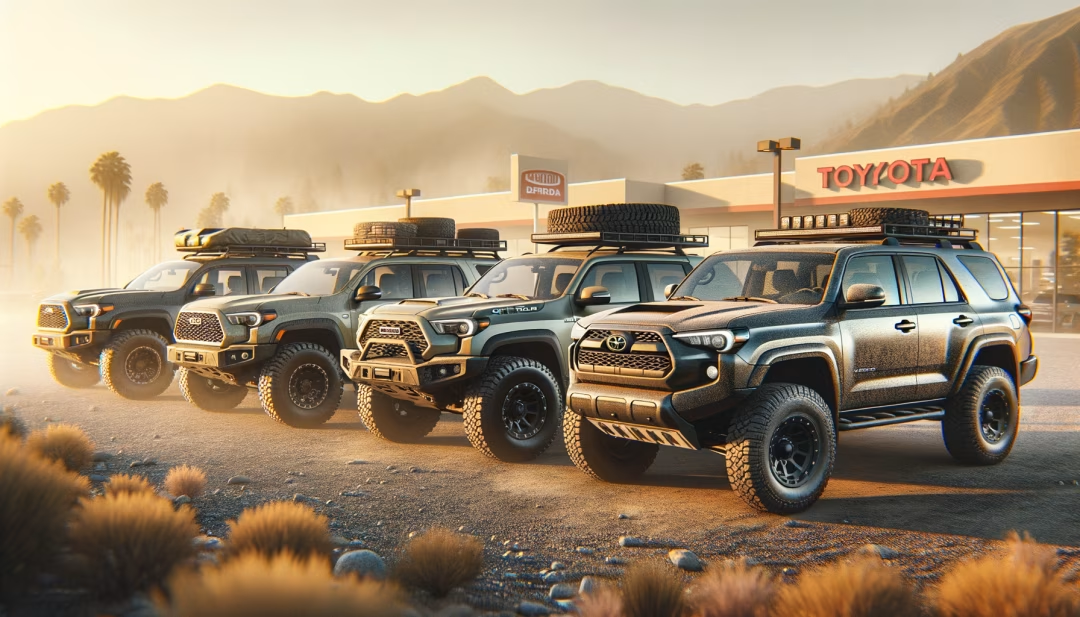
What Makes a Great Used Off-Road SUV
Real trail capability is more than an off-road badge. The best used off-road SUVs combine robust chassis design with traction tech and protective hardware. Start by understanding the fundamentals that most affect trail performance and durability.
- Ground clearance of at least 8.5 inches for moderate trails and 9.5 inches or more for rocks and ruts
- Underbody protection including skid plates for engine, transmission, and fuel tank
- Low range transfer case or advanced crawl modes for slow, controlled torque delivery
- Locking differentials or torque vectoring systems that keep power moving when a wheel lifts
- All-terrain tires with reinforced sidewalls to resist cuts and improve grip on mixed surfaces
Top Used Off-Road SUV Picks by Category
These models routinely surface in strong condition on the used market and deliver confidence on trails while staying livable during the week.
Iconic Trail Rigs
- Toyota 4Runner TRD Off Road and TRD Pro: Body-on-frame strength, proven V6, rear locker, Crawl Control, and plentiful aftermarket support
- Jeep Wrangler Rubicon and Sahara: Removable doors and top, solid axles, low range, available lockers, excellent articulation
- Toyota Land Cruiser and Lexus GX: Robust frames, full-time 4WD, advanced traction, and high long-term durability
Trail-Ready Crossovers
- Subaru Outback Wilderness and Forester Wilderness: Elevated ride height, tuned X-Mode, protective cladding, and efficient flat-four engines
- Ford Bronco Sport Badlands: Twin-clutch rear drive unit with trail control and strong approach and departure angles for its class
Budget-Friendly Off-Roaders
If value is key, older and well-kept models often deliver the most capability per dollar. Carefully verify maintenance records and underbody condition.
- Nissan Xterra Pro-4X: Skid plates, Bilstein shocks, and a selectable locking rear differential in many trims
- Toyota FJ Cruiser: Short overhangs, good clearance, and a hardy V6 with a strong enthusiast community
- Jeep Grand Cherokee Trailhawk: Air suspension lift modes, underbody protection, and advanced traction programming
Key Features to Prioritize on a Test Drive
During an in-person evaluation, use a structured approach. Small noises or vibration under load can reveal expensive repairs. Pair a road test with a careful visual inspection, then consider a lift inspection through our schedule-service team for added confidence.
- Transfer case and 4WD engagement: Verify smooth shifts into 4H and 4L where equipped
- Suspension and steering: Listen for clunks over bumps and check for uneven tire wear
- Driveline seals and boots: Inspect for leaks at differentials, transfer case, and CV joints
- Underbody: Look for scrapes on skid plates versus dents in critical components
- Cooling and charging: Confirm steady temps on climbs and strong alternator output for accessories
For a printable checklist, visit used-car-buying-checklist and complement with used-car-inspection-checklist.
AWD vs 4WD for Off-Road Use
Both AWD and part-time or full-time 4WD can be effective off-road. Many crossovers use AWD systems that preemptively shift torque to limit wheelspin, which works well on dirt roads, snow, and light trails. Traditional 4WD with a transfer case and low range excels on slow, technical terrain where gearing, articulation, and locking differentials matter. If your adventures lean toward rock steps or deep ruts, prioritize 4WD with low range. If mixed-weather trailheads and long highway miles are your norm, a ruggedized AWD crossover can be a smart compromise.
Reliability and Ownership Costs
Trail use increases wear on suspension, tires, and driveline components, so reliability matters. Many Toyota and Lexus body-on-frame SUVs are known for longevity with routine care. Subarus and certain Ford models offer strong owner satisfaction when maintained on schedule. To minimize surprises, review most-reliable-used-suvs, explore brand-specific reliability pages like most-reliable-used-toyota-models, and read service history closely.
- Prioritize vehicles with documented fluid changes for differentials and transfer case
- Inspect tire age and match type to use case all-terrain vs all-season vs mud-terrain
- Confirm recalls are addressed using the VIN and see used-vehicles-with-lowest-recall-rates
Trim and Package Recommendations
Some trims add real capability beyond cosmetic changes. Seek models that include mechanical upgrades.
- Off-road packages with rear lockers, upgraded shocks, and skid plates TRD Off Road, Rubicon, Trailhawk, Pro-4X, Z71
- Factory all-terrain tires or space to fit larger tires without rubbing
- Recovery points, tow hooks, and integrated roof rails for gear
Fuel Economy and Daily Comfort
Off-road hardware can increase weight and aerodynamic drag, affecting fuel use and ride quality. If you split time between trails and commuting, balance capability with comfort. Consider models with adjustable suspension or efficient powertrains. Research helpful comparisons at used-suvs-with-best-mpg and used-cars-with-high-mpg. For winter traction without heavy hardware, see best-used-vehicles-for-winter-driving and safest-used-suvs.
Budget Planning and Value Retention
Total value is more than purchase price. Include maintenance, insurance, tires, and expected depreciation. Body-on-frame SUVs often retain value well, especially with low mileage and documented service. Explore pricing ideas on best-used-suvs-under-15000, best-used-suvs-under-20000, and long-term insights at used-cars-with-best-resale-value.
Aftermarket Upgrades: What Is Worth It
Used off-road SUVs often include modifications. Quality parts installed professionally can be a plus. Poorly executed lifts or electrical add-ons can shorten component life. When evaluating upgrades, ask for receipts and brands, then inspect drivetrain angles and alignment reports.
- High-value mods: skid plates, rock sliders, quality all-terrain tires, mild suspension refresh with reputable shocks
- Review carefully: big lifts without driveshaft or geometry corrections, oversized tires that affect gearing and braking
Paperwork, Warranties, and Protection Plans
Confirm title status, check for flood or salvage history, and review service records. Many buyers consider coverage for used vehicles that see rough roads. Learn how coverage works at used-car-warranty-guide and used-vehicles-with-best-warranty-coverage. For financing insights, browse payment-options, how-does-used-car-financing-work, and used-car-loan-interest-rates.
Shopping Tools and Research
Use the resources below to study trims, compare options, and plan a smooth purchase from research to ownership. You can also explore community insights and dealership updates in our blog and meet the team behind the process at meet-our-staff and bios.
- Browse current selection in used-inventory and review past examples in sold-inventory
- Compare capability with best-used-off-road-trucks and best-used-suvs-for-off-roading
- Learn negotiation and inspection steps at how-to-negotiate-a-used-car-price and how-to-check-used-car-history
Trail Safety and Preparedness
Capability is only part of the equation. Carry a basic recovery kit and know your approach, breakover, and departure angles. Drive with mechanical sympathy, air down tires when safe, and keep speeds modest on washboard roads. For seasonal driving, consult best-used-cars-for-snow and used-cars-with-best-crash-test-ratings to align safety priorities with terrain and climate.
Related Guides You May Find Useful
For deeper research on size classes, comfort, or family hauling, consider these pages as next steps.
- Capability alternatives: best-used-awd-vehicles, best-used-vehicles-for-towing, best-used-suvs-with-best-ground-clearance
- Size and seating: best-used-3-row-suvs, best-used-midsize-suvs, best-used-full-size-suvs
- Ownership help: used-car-warranty-guide, used-car-title-and-registration-guide, used-car-depreciation-guide
Best Used Off-Road SUVs FAQs
Condition and service records matter more than mileage alone. For body-on-frame SUVs, 120,000 to 180,000 miles can still be reasonable if fluids were changed on schedule, rust is controlled, and suspension components have been refreshed. Always verify with a thorough inspection.
Not always. For graded dirt roads, snow, and mild ruts, a capable AWD system with all-terrain tires is often sufficient. Low range becomes valuable when climbing steep, loose surfaces, crawling over rocks, or maneuvering slowly with heavy loads at trailheads.
All-terrain tires strike the best balance for most drivers. Look for three-peak mountain snowflake ratings if winters are harsh. Mud-terrain tires improve grip in deep mud but can be louder and wear faster. Prioritize reinforced sidewalls and proper load ratings.
Check skid plates and rock sliders for deep gouges, look for bent suspension arms, examine frame rails, and note dented exhaust components. Uneven tire wear, mismatched tires, and fresh undercoating that hides rust or damage can also be warning signs.
Quality lifts from reputable brands with alignment records and supporting parts can be acceptable. Red flags include extreme lifts without driveline corrections, rubbing tires, or missing bump stop extensions. Ask for installation receipts and alignment specs to verify proper setup.
About Our Dealership and Policies
Transparency and support are central to a positive ownership experience. Get to know our team at about-us, review feedback at customer-survey, and see our policies at privacy-policy, terms, and visitor-agreement. For questions, visit contact-us or stop by one of our locations.
Office Hours
Monday
Tuesday
Wednesday
Thursday
Friday
Saturday
9:00 am - 5:00 pm
9:00 am - 5:00 pm
9:00 am - 5:00 pm
9:00 am - 5:00 pm
9:00 am - 5:00 pm
Closed
